Lancaster Performance helps sports teams and workplaces build shared purpose, clearer expectations and more effective ways of working together—through facilitated workshops and ongoing culture development.
For teams that want to work on a priority across a sequence of conversations and practice.
When it helps
A workshop alone does not give the team enough time to apply, review and adjust its commitments.
The work and practical outputs
Discuss a sequence of facilitated work, agreed actions between sessions and review of what is being tried. Scope, cadence and deliverables are agreed with the team before a programme is confirmed.
For teams and leaders continuing to develop how they work together.
When it helps
Roles, demands or membership change, or the team needs support to revisit commitments in everyday work.
The work and practical outputs
Review experiences, hear different perspectives and agree what to keep or adapt. Maintain a shared record of the behaviours and questions the team is working on.
We agree the format, duration, group size, schedule and fee after understanding your setting. An enquiry requests a conversation; it is not a confirmed appointment.
Good people. Shared goals. So why isn’t it working?
Talented people who struggle to work effectively together.
Standards that mean different things to different people.
Difficult conversations that keep getting delayed.
New members trying to find their place.
Workshop commitments that fade when everyday pressures return.
Familiar situations. Useful starting points for a team conversation.
HOW WE HELP
Work on the things that make teamwork work.
Make room for a different conversation.
Team culture workshops
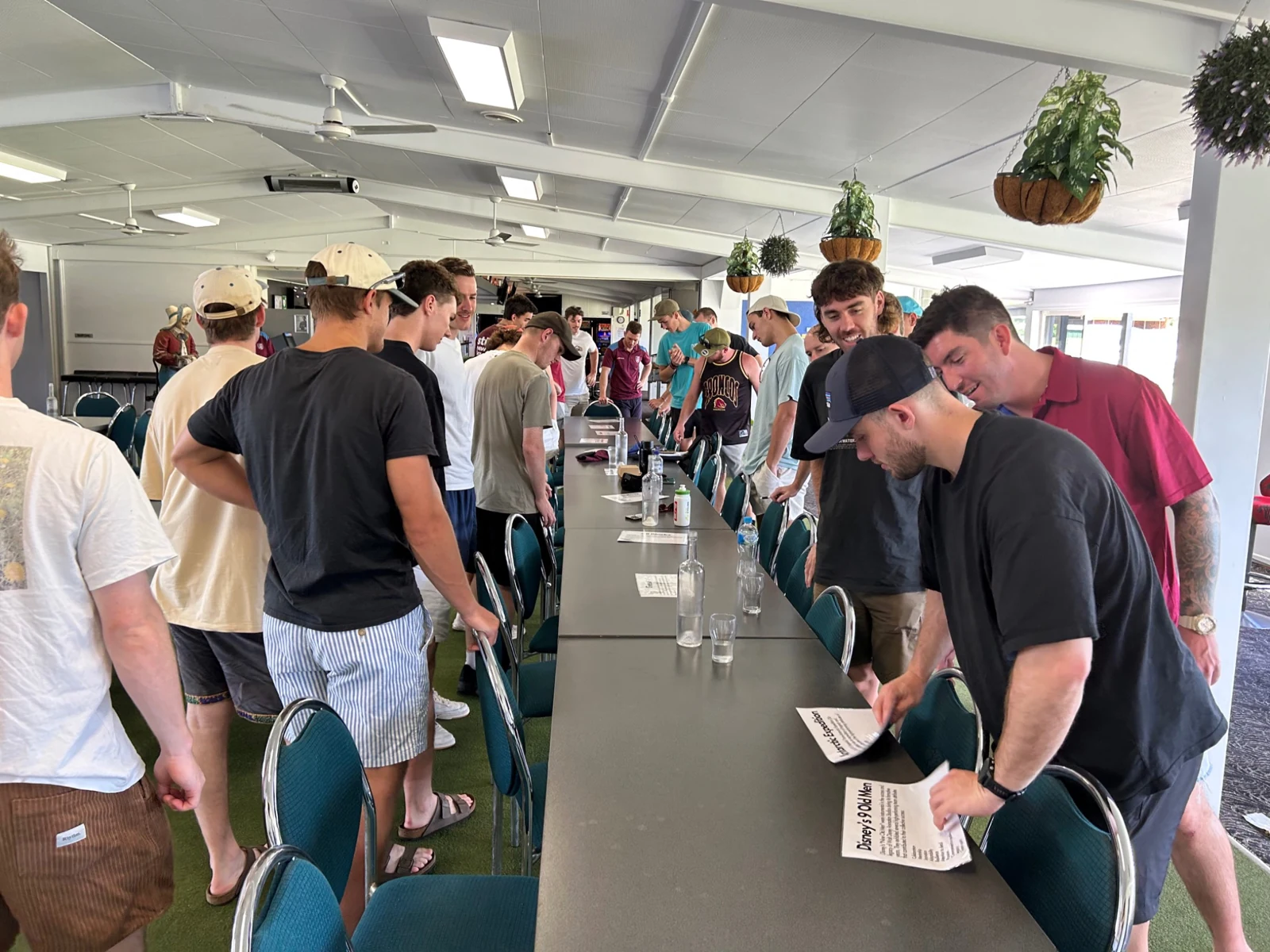
For sports teams and workplaces ready to look closely at how they work together. Facilitated conversations and practical experiences help people explore their current culture, hear different perspectives and agree on useful behaviours.
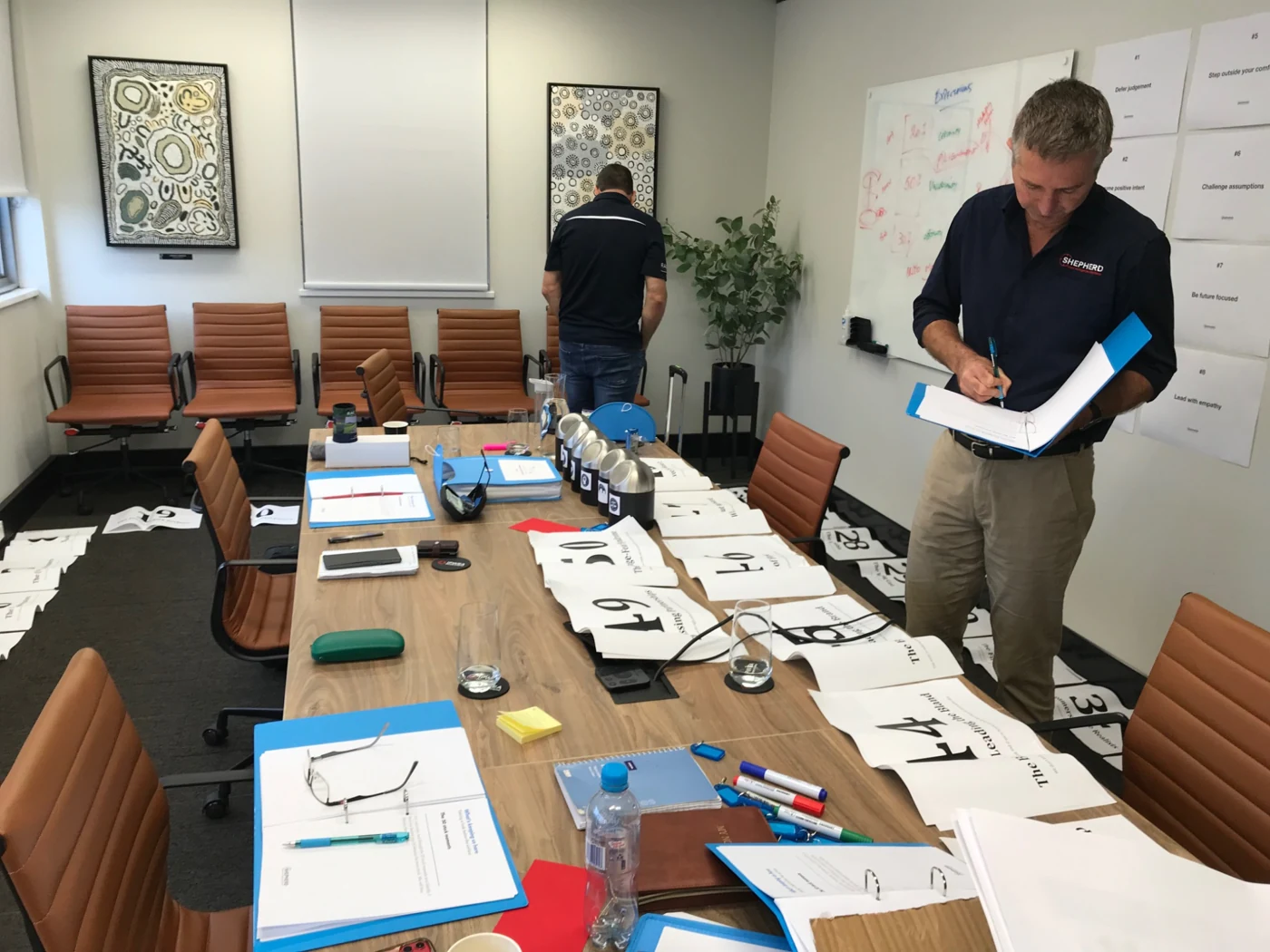
For leaders and teams working through unclear direction or different assumptions. Make shared purpose, expectations and responsibilities explicit—and examine the example leaders set in everyday decisions.
For teams that want to carry the conversation into their daily work. Revisit commitments, reflect on experience and adapt useful practices as the team and its demands change.
Extraordinary teams don’t have to be extraordinary friends.
AcquaintanceAssociateAllyAdvocate
Different depths. Fluid relationships.
Effective collaboration can coexist with different relationship depths. Every teammate does not need to become a close friend. What matters is how people work together—and how they treat one another.